Establishing the Baseline. Tracking the Change. Protecting What Matters
Proud member and contributor
This is our Citizen Science journey to document current and future populations of sea urchins as ecosystem architects, as well as their habitats, and environmental conditions, to help understand how our ecosystem responds to environmental stressors
We aspire to build community capacity and scientific credibility. To create a replicable model for other coastal communities, starting off the coast of Giala (pronounced Yalla) village in Salamina Island, Greece. To generate data as advocates for marine life protection.
Understand and Protect our Seas
-
![]()
We are the first Community-powered marine biodiversity monitoring in the Saronic Gulf
We are Aegean Baselines — we are bringing together citizen initiative and science rigor to tackle urgent environmental needs and create awareness.
-
![]()
Temperatures rising. Ecosystems shifting. Species moving or disappearing.
But here's the catch: We can't measure change and advocate for marine protection without knowing what TODAY looks like.
-
![]()
That's why we're establishing the first Baseline and long-term observation of Sea Urchin populations around Salamina Island.
These spiky grazers are ecosystem architects—their numbers tell us whether our reefs are thriving or struggling.
-
![]()
Step 1: Establish a Baseline.
Understand what's normal today, and detect what's wrong tomorrow.
Baseline data are like taking your height, weight, first-day-of-school photo, or even a blood test when you are healthy — they show how things look before anything changes (i.e. as we get older, or God-forbid, in case we are ill).
In the same way, by recording what our sea looks like now, we can notice if it becomes cleaner, dirtier, or if sea urchins start to disappear, and take action to protect it.
-
![]()
Step 2: Track the change
Potential departures from baseline, correlated with environmental stressors may act as an Early warning system for ecosystem distress. Our protocols are directly comparable to other monitoring efforts, meaning our data may contribute to understanding basin-scale patterns. Data will be submitted to global databases (OBIS, Project Baseline, iNaturalist)
The BIG picture
2025-2027 : Establish the Baseline; a snapshot of what's "now” looks like
2028+ : Detect (any) departures from Baseline
Long-term : Advocate for protection based on evidence, not guesswork
-
![]()
Step 3: Protect what Matters
Mediterranean marine ecosystems are changing fast and our baseline and long-term data could be used to understand how our ecosystem responds to warming seas, changing chemistry, and human pressures.
They can inform and support habitat restoration priorities, provide input to Greek national marine biodiversity strategy and be a model for a Greece- and Mediterranean-wide community monitoring network
Sea Urchins:
Why track those spiky balls?
Monitoring urchins isn't about urchins. It's about understanding reef resilience, climate impacts, and whether our ocean can sustain the life it supports today.
So, sea urchins aren't the story—sea urchins are the window into the story.
And right now, we're looking through while there's still light.
-
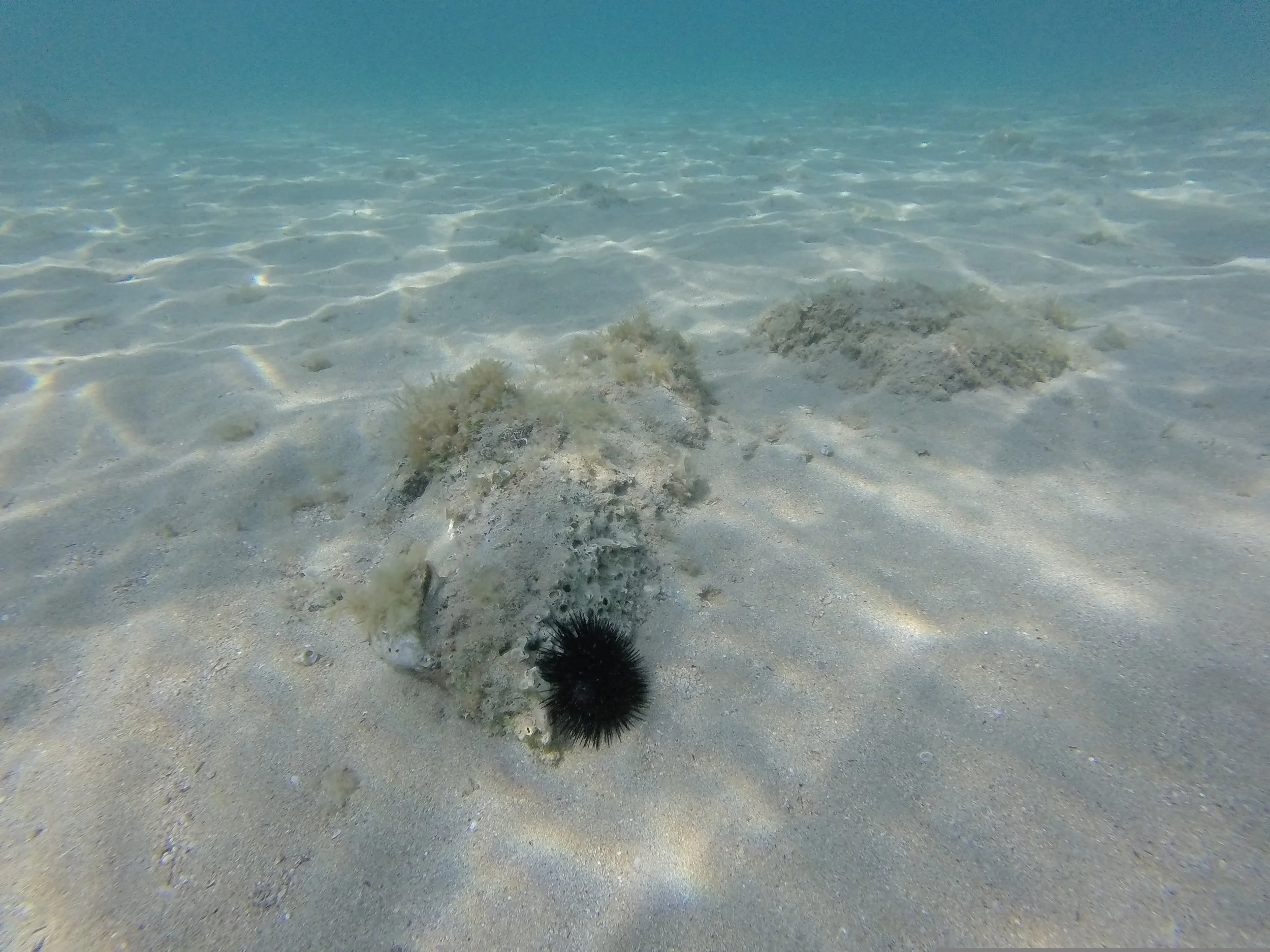
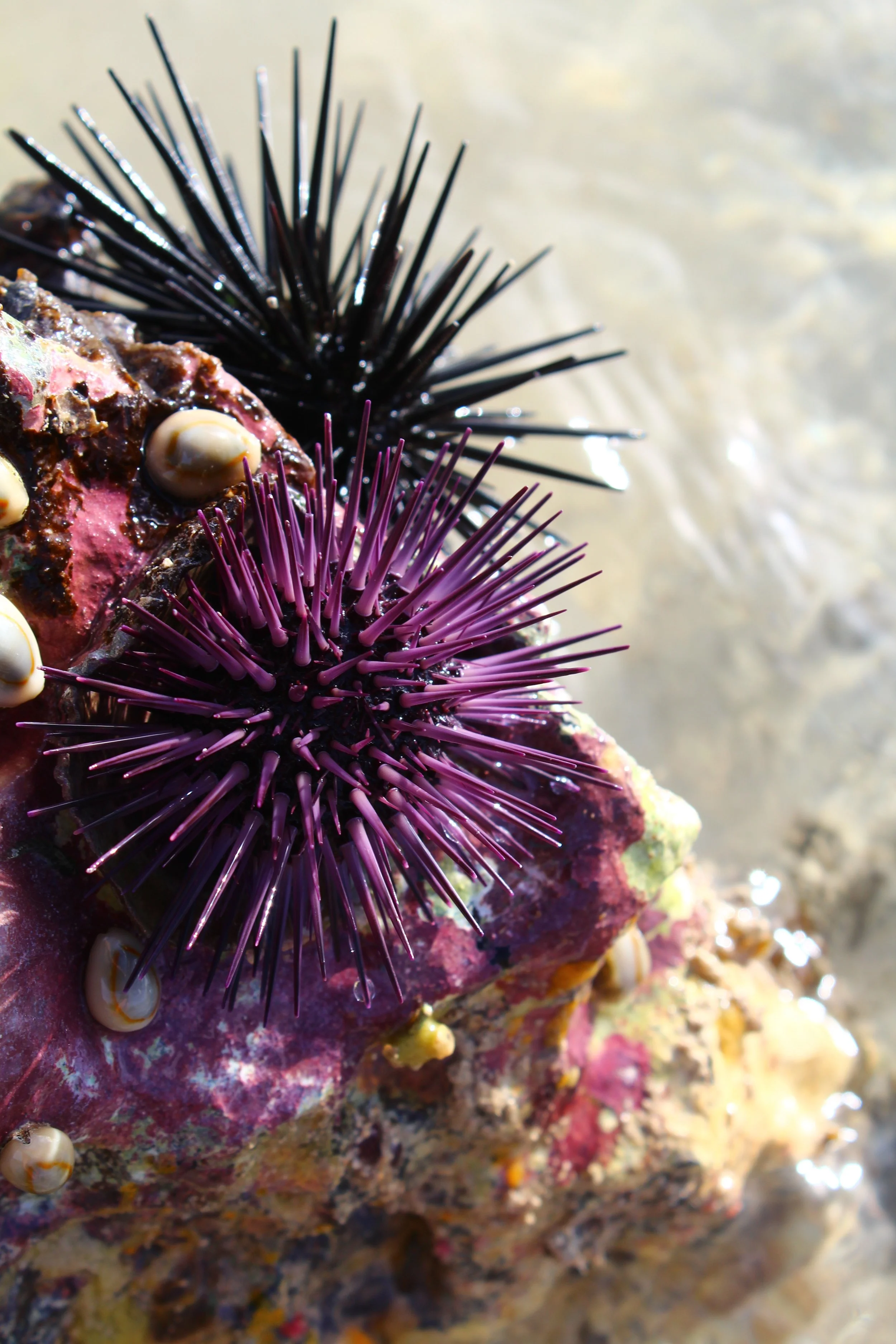
Purple and black sea urchins (P. lividus, A. lixula) are keystone grazers—they graze algae, structure reefs, and their populations signal climate stress, pollution, recovery from disasters. So, their abundance controls algae forests, reef structure, and biodiversity.
When urchin populations change, everything downstream changes—fish, algae, water chemistry, human livelihoods.
Tracking urchins = tracking ocean health
-
Metric & Why It Matters
Density (urchins/m²): Are populations stable, growing, or crashing?
Size distribution: Are young urchins recruiting successfully?
Habitat preferences: Where do they thrive vs. struggle?
Seasonal patterns: Natural cycles vs. concerning trends?
-
Purple Sea Urchin (Paracentrotus lividus)
The algae lawnmower. Keeps rocky reefs from turning into overgrown jungles. When their numbers drop, algae explodes—and everything changes.Black Sea Urchin (Arbacia lixula)
The survivor. Thrives in disturbed, overgrazed areas. When they dominate, it often signals ecosystem stress—too much fishing pressure, pollution, or heat. -
Three urgent reasons:
1. Limited Baseline Data
The Saronic Gulf has no systematic long-term monitoring of shallow-water invertebrates.2. Post-Oil Spill Recovery
The 2017 Agia Zoni II disaster spilled 2,500 tons of fuel near Salamina—but without pre-spill data, we can't measure recovery. We're fixing that gap for future crises.3. Climate Canary
Mediterranean temperatures are rising much faster than global oceans. Tracking urchin populations NOW means we'll see the climate fingerprint emerging in real-time.
Let’s dive into Action!
All you need to know about the what, the how, the where and when.
Want to know more and get your feet wet? Don’t hesitate to contact us
-
Transect Surveys, eDNA mapping & Environmental Monitoring
Method: Belt transect surveys with quadrat sampling
5×20m belt transect lines with a 5m gap in between them at fixed GPS coordinates, following the REEF CHECK invertebrates monitoring instruction https://www.reefcheck.org/tropical-program/tropical-monitoring-instruction/
Count all urchins within 1m belt (0.5m each side)
Detailed quadrat transect analysis every 10m for size structure, habitat data
Environmental parameters: depth, temperature, visibility, substrate type
Data We Collect
Population metrics: Species abundance, density (urchins/m²), size class distribution
Habitat associations: Substrate type, algae cover, depth profiles
Environmental context: Water temperature, visibility, season
Photo documentation: Every survey photographed for validation and temporal comparison
Quality Assurance
Volunteer training
Inter-observer reliability testing (survey in pairs, >90% agreement target)
Independent expert photo validation
-
Scuba Diving (or snorkeling)
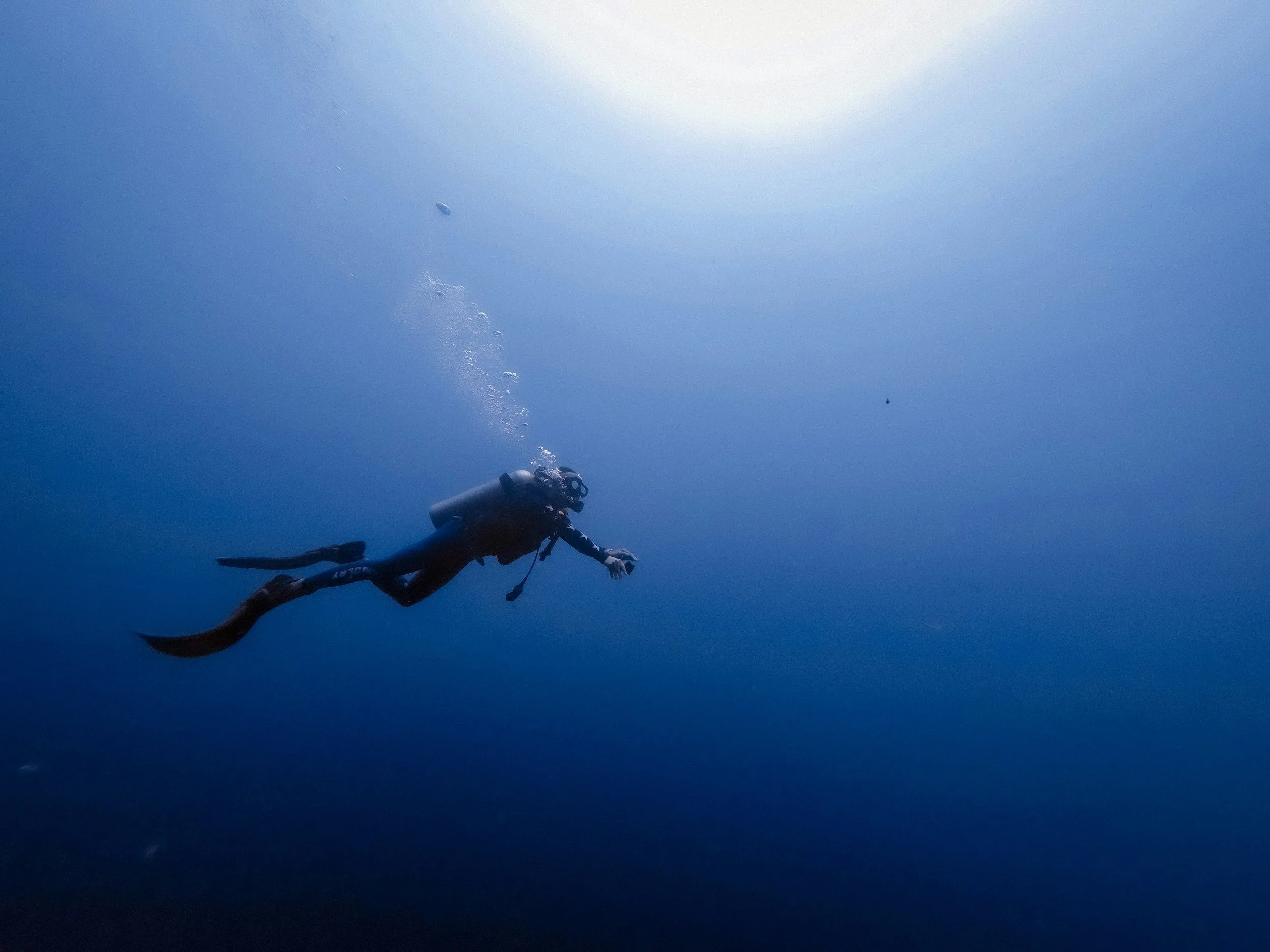
We complete the surveys either by scientific scuba diving (in pairs as always!) or by snorkeling (average depth is ~2.5m).
-
Quarterly at a minimum to collect seasonally representative data
-
In Gialla village, Salamina Island, off its coast at an average depth of 2-3m, starting at the west of the beach and extending for ~200m
Other Actions
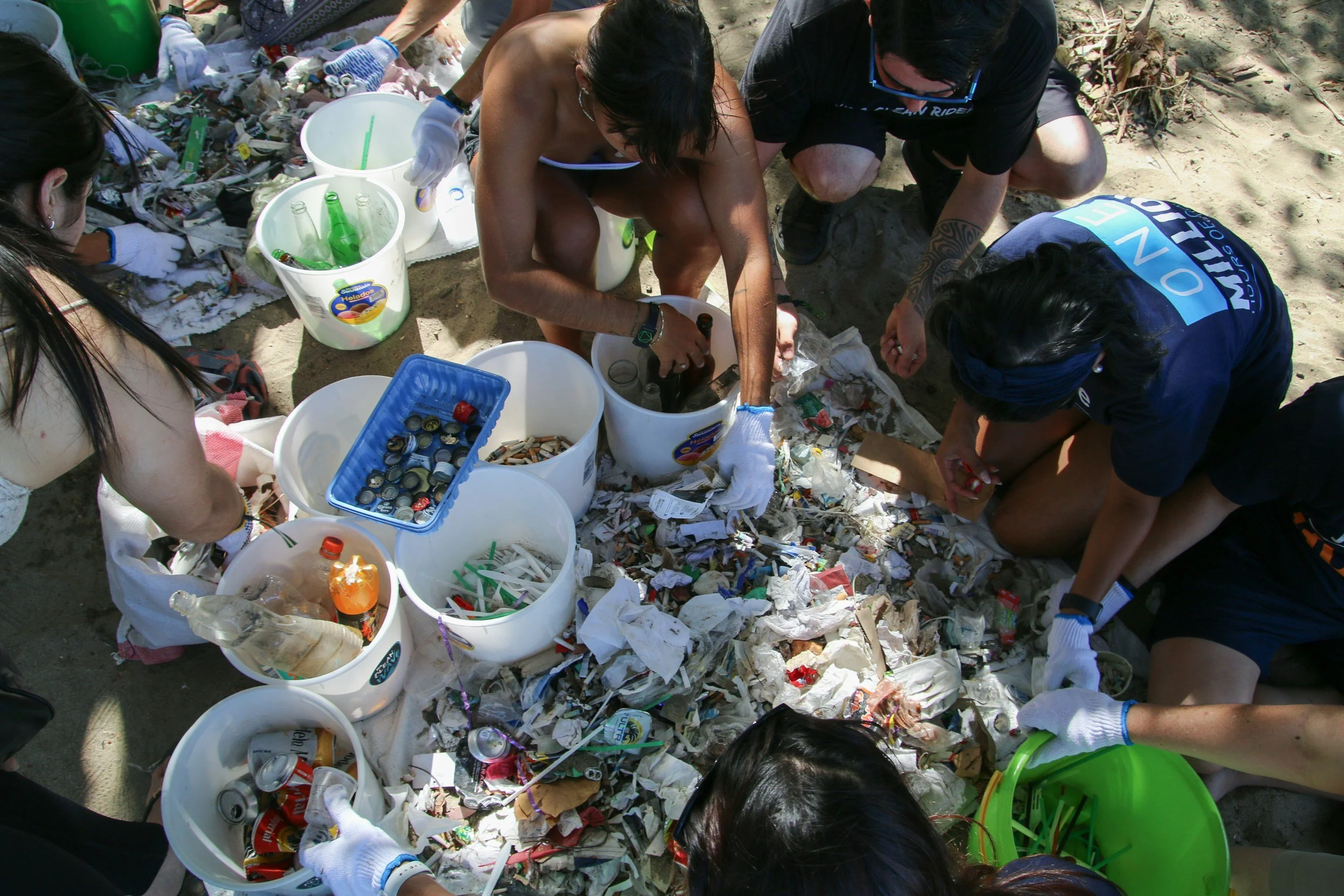
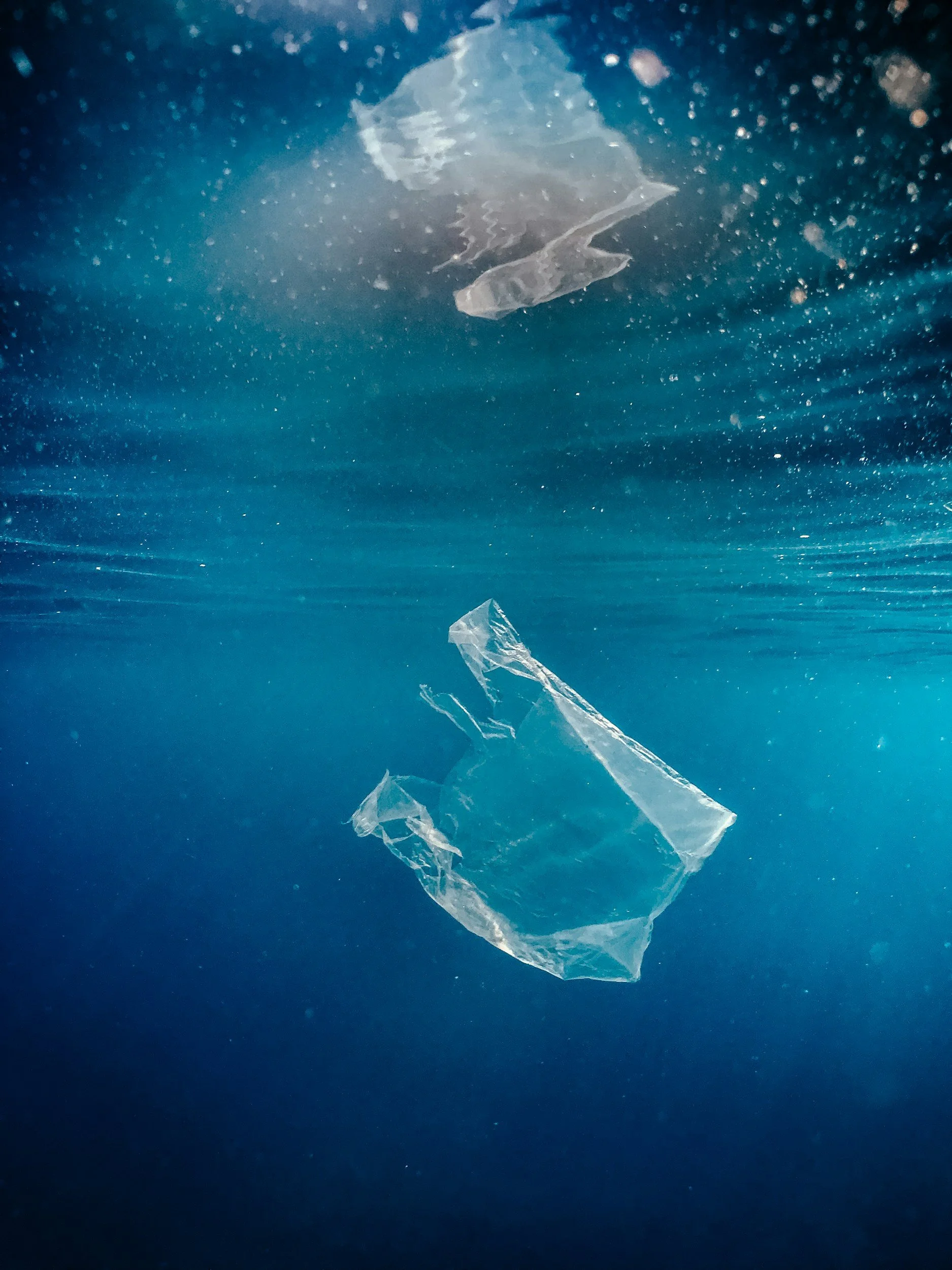
Beyond Citizen Science we aim to drive Community-based Actions in Beach and Underwater Clean ups and Education/Awareness campaign to promote healthy oceans.
-
We aspire to collaborate with other like-minded NPOs, with the local government and communities to drive positive actions towards our beaches and coasts
-
Work with volunteers and organize educational and awareness campaigns at schools and local sports/fishing clubs.